How to Create a Local Presence for Your Business on Outbound Calls
Before using Local Caller ID numbers to create a local presence, you need a well-developed strategy. Without one, you may fool people into picking up the phone once or twice, but that's a short-lived bump in answer rates that probably won't lead to many sales conversions. Used strategically, local presence produces both a lift in answer rate and more sales conversions — that's what we're really after.
Creating a strategy for local presence
If you get a call from an 800 number, you probably won't answer — you assume it's someone trying to sell you something. Most sales managers' knee-jerk reaction is to buy Local Caller ID numbers to create a local presence. But there's more than one way to do that:
- Any ten-digit number instead of an 800 number provides an immediate lift.
- Some rotate a variety of ten-digit numbers to limit the imprints left on the called party's Caller ID display.
- Others create a local presence by matching the Caller ID number to the dialed number's area code.
The data tells us the difference in lift between options 2 and 3 isn't nearly as large as the lift from doing option 1 at all. None of these by themselves increase sales in a meaningful way on their own, even though more answers mean more possible sales — what we really want is to connect with the called party and lift conversions in a measurable way, not just open with "Who are you?" and "Why are you calling me?"
Caller ID tactics that work
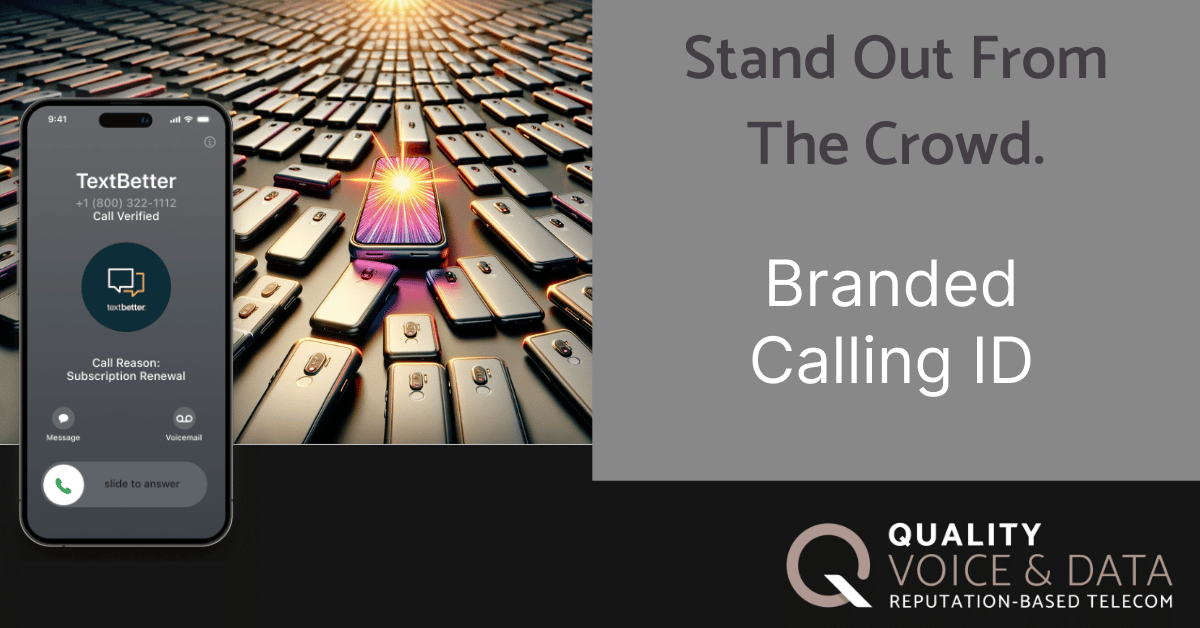
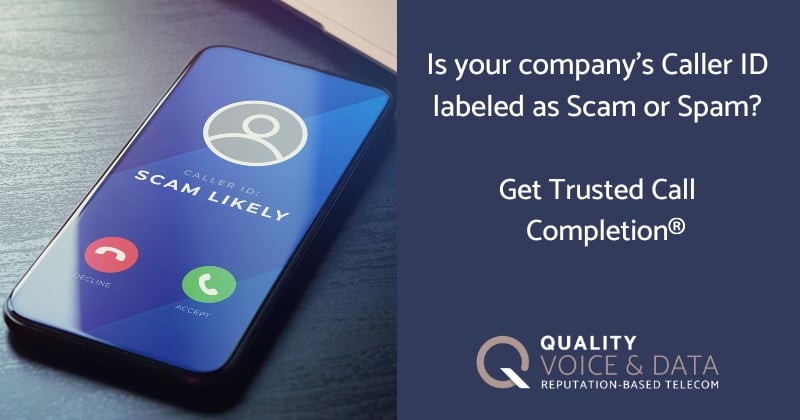
The real lift comes from combining Local Caller ID numbers with a Caller ID display name — what the called party sees on the display before they even answer.
- If your brand is known, use it. A recognized brand name on Caller ID instills confidence that the called party is talking with your company, not an anonymous telemarketer, and a real interest can turn straight into a sale.
- If your brand isn't well known, display your agent's name instead. If your agent is John Peters, display "Peters, John," and open the call with "Hi, this is John Peters with XYZ Company." The expectation set on the display is reaffirmed immediately, buying about five seconds of trust to work with.
Unlike a typical phone company, Quality Voice & Data specializes in delivering a 15-character display name accurately to the called party's phone, and can provision a number with an associated display name in an hour or less.
Local presence technology
The biggest hurdle for most companies creating a local presence is having a CRM or telecom system that can store and push a specific Caller ID number per record on a calling list. If your systems are limited, rotate area codes from major cities with the associated name display — using twenty or so different numbers across a calling day, tied to the list itself rather than each individual record.
One customer, whose brand is well known, switched from an 800 number to a Local Caller ID number tied to their headquarters' area code, combined with their brand name display, and saw answer rates increase by 42% and conversions by 12%. They also rotate a different number each day of the week to further reduce imprints. Results vary based on factors like whether the campaign is B2B or B2C and how well known the brand already is.
Is it legal?
Yes. The FTC, FCC, and Congress have all weighed in on local presence numbers. Regulations only impose liability on callers who knowingly transmit inaccurate or misleading Caller ID information with intent to defraud, cause harm, or wrongfully obtain something of value — the FCC has acknowledged that businesses often manipulate Caller ID display for legitimate reasons, including using a local number rather than the actual originating number.
Using local presence numbers that transmit accurate ANI information and the client's or seller's name, answering callbacks during normal business hours, and honoring Do Not Call requests keeps the practice fully compliant.