How Do Call Reputation Scores Affect Customer Communication?

If your business depends on outbound calls for support, reminders, or sales, it's worth asking: are all of those calls actually reaching customers? Often, it isn't a script problem or a team problem — a call reputation score may quietly be telling carriers whether to treat your calls as trustworthy or as spam, and once that trust is lost, communication breaks down fast.
What businesses don't see
Dialing more numbers used to be a viable growth strategy on its own. Carriers now reward trust over volume, and excessive calling without proper controls can trigger spam flags that block 20-30% of legitimate outbound calls before they even ring — an estimated $658 million in lost revenue across call centers, every single day. Making it worse, 32% of customers report abandoning a brand after just one poor call experience tied to a flagged number, even one they'd previously trusted.
What a reputation score actually is
A call reputation score is a trust rating carriers and analytics platforms like Hiya and Truecaller assign to each outbound number, built from STIR/SHAKEN authentication, call volume and dialing patterns, consumer spam complaints, answer and engagement rates, and even industry risk category (finance, healthcare, and collections draw extra scrutiny). The higher the score, the more normally a call rings through; the lower it drops, the more aggressively it gets filtered, sent to voicemail, or blocked outright — and most businesses don't notice a declining score until performance has already tanked.
Three ways a low score hurts communication
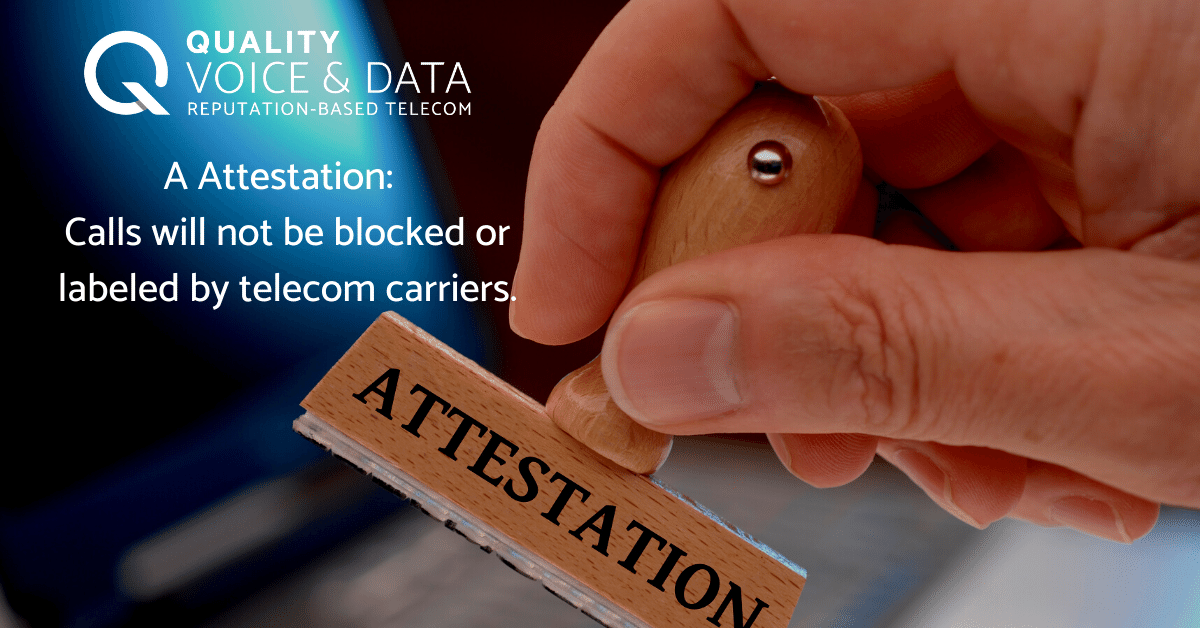
Calls stop connecting. Numbers with B or C attestation are far more likely to be flagged, especially on Android, and once labeled, very few of those calls get answered at all.
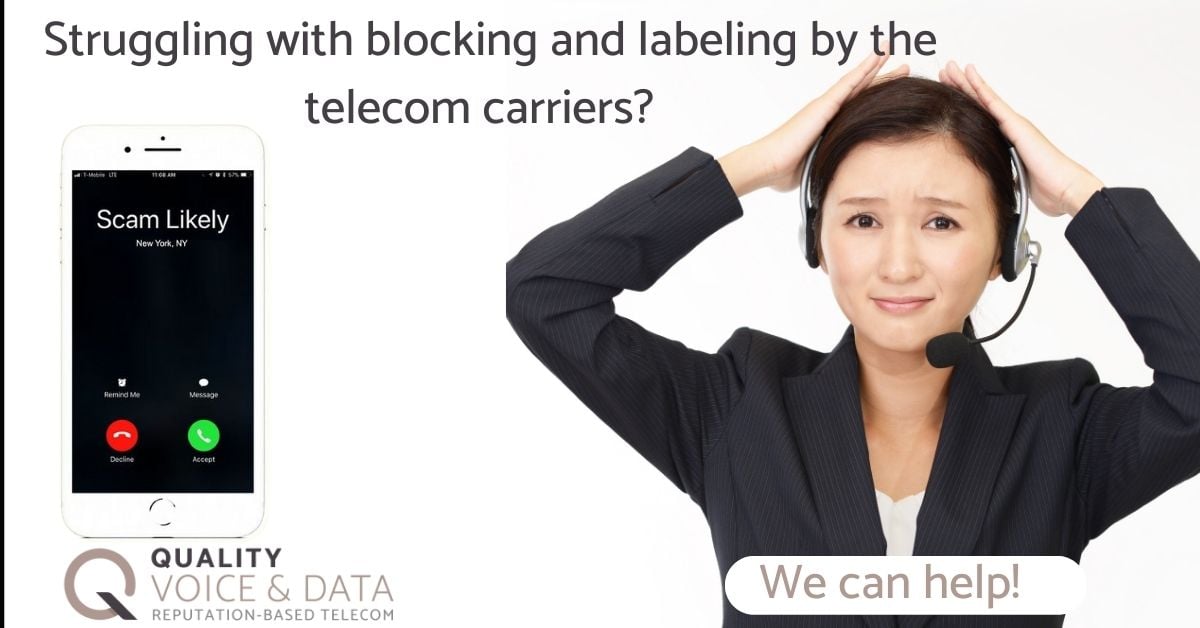
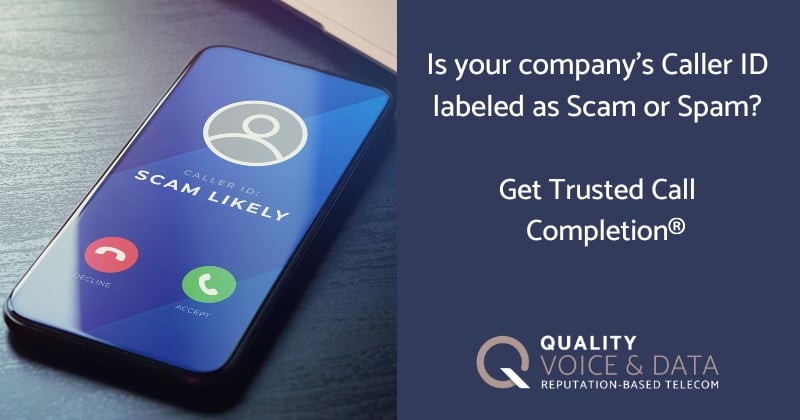
Customers lose trust fast. Roughly 80% of consumers won't answer an unrecognized number, and a spam label reinforces that hesitation instantly — to a consumer, "Spam Likely" doesn't read as "maybe," it reads as spam, full stop.
Businesses spend more to get less. When calls stop connecting, the common response is hiring more agents to hit the same targets — call centers often overspend 15-20% on staffing when reputation issues are silently blocking one in five outbound dials, contributing to over $240 billion in annual losses industry-wide from blocked outbound calls.
What drives the score
STIR/SHAKEN attestation grade is the heaviest factor, followed by volume without number rotation (many carriers flag a number within 72 hours of automated-looking dialing patterns), engagement rate (answer rates below 10% get penalized even for legitimate campaigns), and consumer complaints, which can blacklist a number for one to three months regardless of everything else being in order.
Reputation beats volume every time — brands that ignore it risk losing a substantial share of customers after a single bad call experience, while carriers increasingly prioritize A-rated numbers and leave the rest behind.