How Can Businesses Protect Outbound Calls from Spam Labeling?
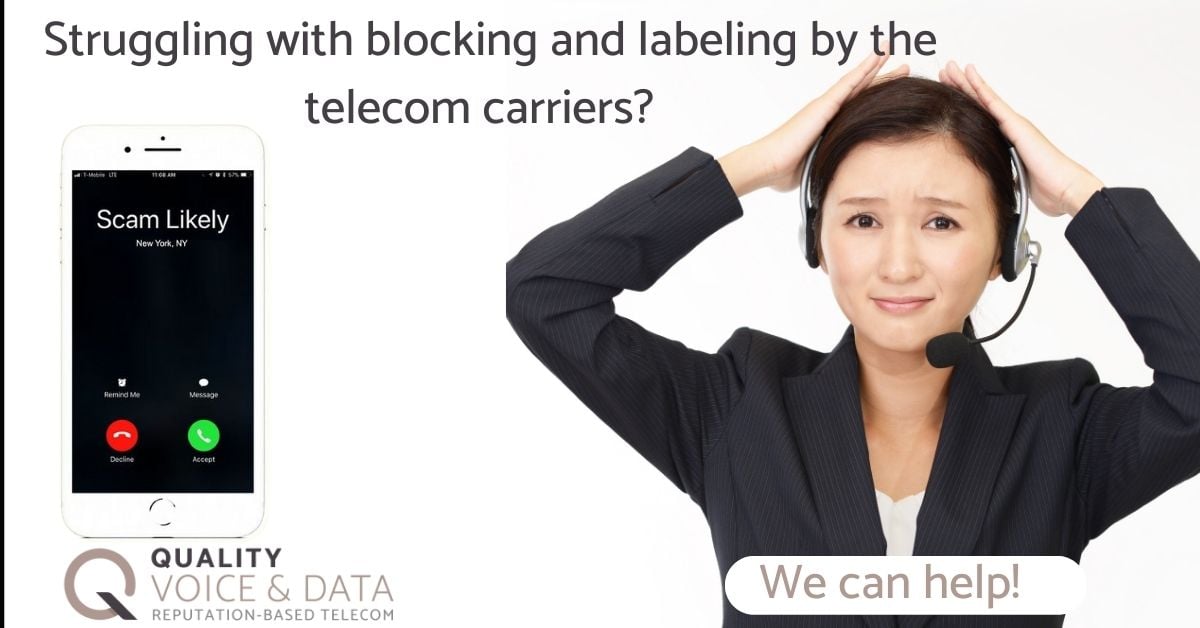
Outbound calling didn't stop working — what changed is the environment those calls move through. Carriers, mobile operating systems, and third-party analytics engines now make decisions about a call before the phone ever rings, often based on signals most businesses don't realize they're sending.
Spam labeling isn't personal, but it behaves like it
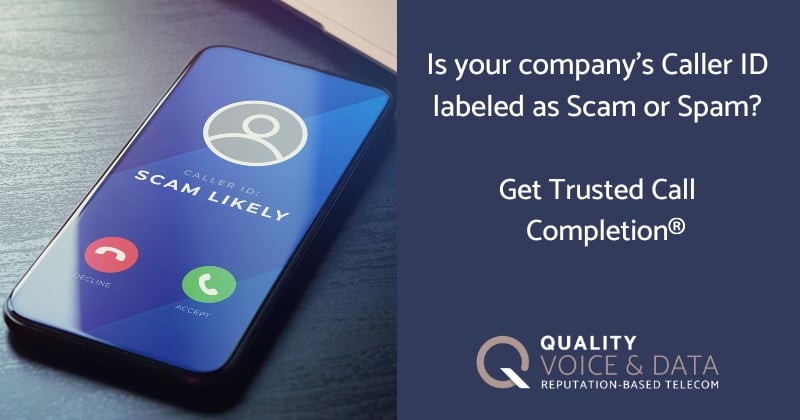
Industry research keeps turning up a roughly 40% drop in contact rates tied to spam labeling, sometimes within a single quarter. Carrier algorithms don't know intent — they only see patterns, and calls that behave like spam get treated like spam regardless of who's actually calling. One poorly managed campaign, a bad lead list, or an overused Caller ID can drag down an entire shared number pool, and because these systems are interconnected, one carrier's decision can influence others.
Every DID has a reputation now
Treating phone numbers as disposable — swap one out, buy another, keep dialing — used to work. It doesn't anymore. Answer rate, call duration, dialing velocity, and even how often calls fail or go to voicemail all factor into a constantly recalculated reputation, and a "safe" number can get flagged in under 30 days of aggressive use with no alert from the carrier — performance simply starts slipping. That's why weekly DID health checks, tedious as they sound, are worth the discipline.
STIR/SHAKEN is becoming a hard line
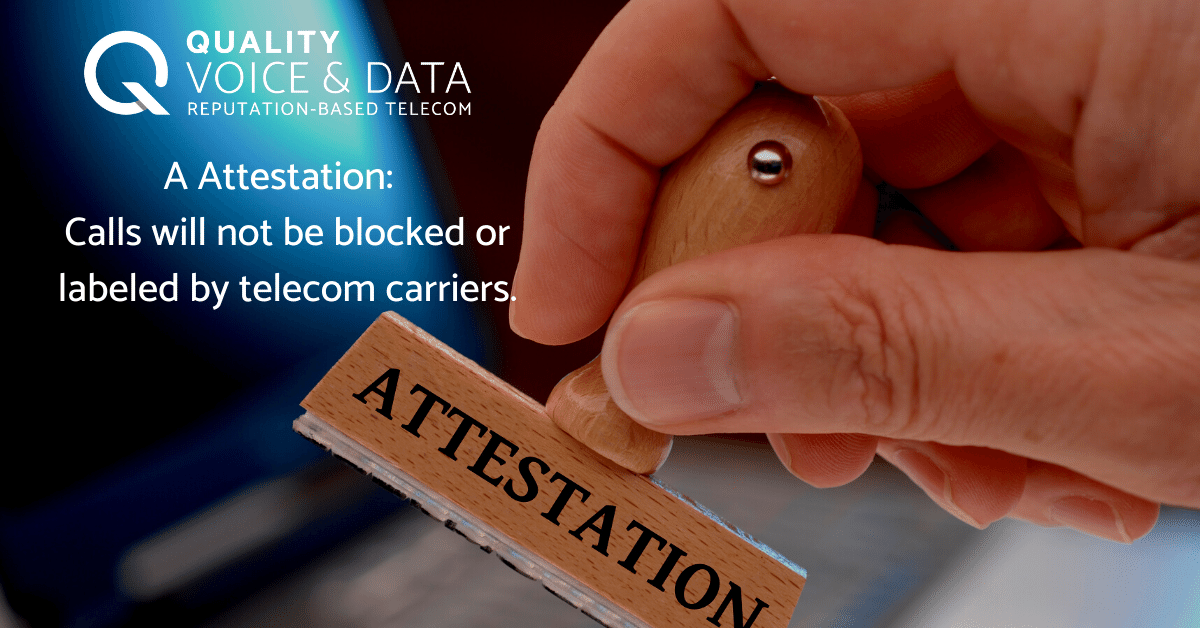
With FCC enforcement tightening, A-level attestation is no longer optional for a business that depends on outbound calls. Unregistered or improperly authenticated numbers lose that attestation, which changes how carriers and devices treat the call immediately — sometimes a "Spam Likely" label on Android and T-Mobile, sometimes an auto-silenced unknown number on newer iOS. Authentication is a chain, not a checkbox, and providers don't always have every link handled the way a business assumes.
Behavior matters more than volume
Carriers don't punish high call volume itself — they punish spam-like behavior: calls under ten seconds, drop-and-run dialing, repeated attempts to invalid numbers. Unverified lead lists can generate 20-40% failed calls, and those failures show up in carrier analytics even when no one files a complaint, quietly eroding answer rates until throttling kicks in.
Centralizing on one familiar number is a risk now
A single, well-known number hammered with thousands of daily dials matches known spam velocity patterns and gets flagged faster than a pool of numbers with daily limits. It's not the intuitive choice, but it protects the number pool's lifespan.
Branding helps, but takes time to work
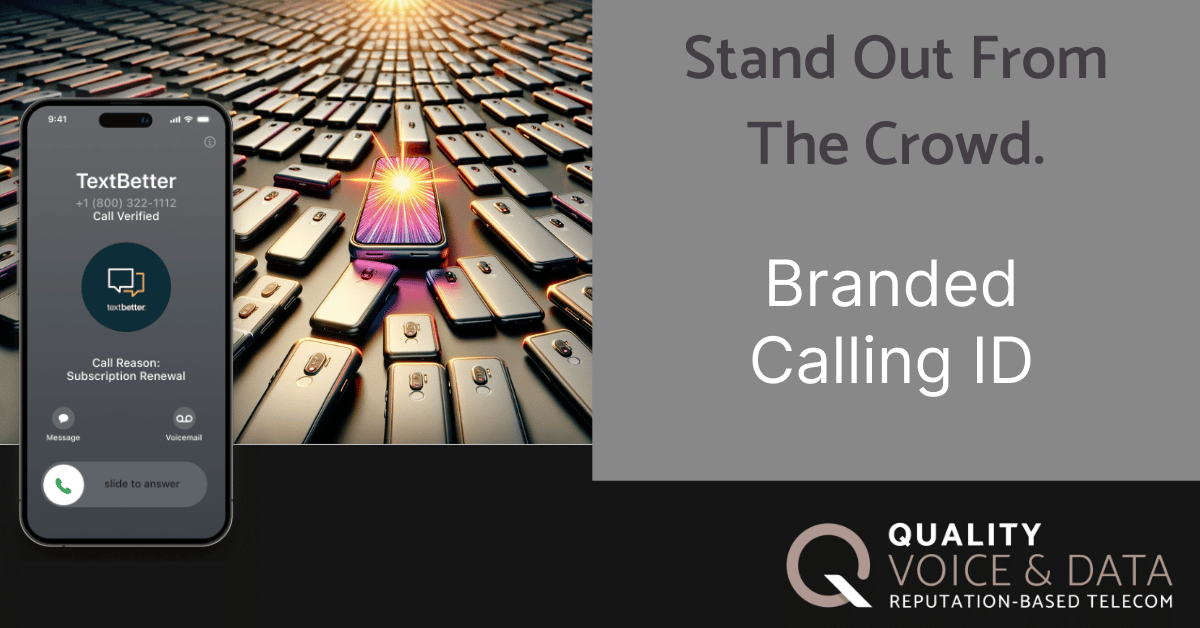
Branded Calling ID genuinely improves answer rates, but registries like Hiya, TNS, and First Orion require consistent behavior over time — if the calling name doesn't match the calling context, labels can actually get worse. Monitoring for early signs (more busy signals, a single DID underperforming the rest) is what separates a manageable recovery from a full-blown reputation crisis. Outbound calling isn't dying — it's just becoming less forgiving of numbers treated as disposable rather than as a strategic asset.