How Local Caller ID Works and How to Get the Name Display Right

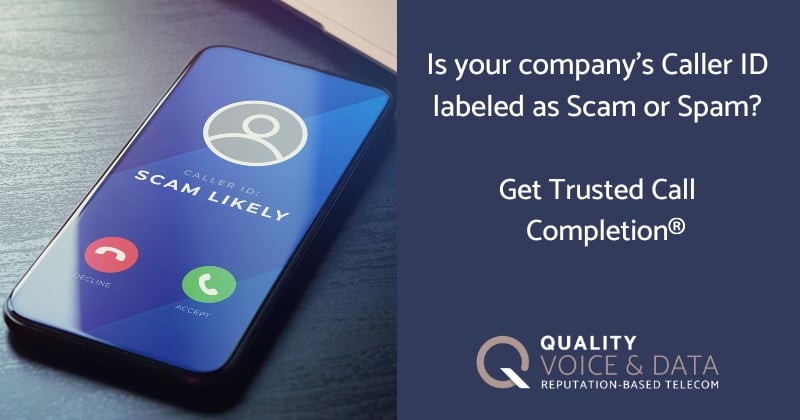
By now, most outbound telemarketing teams know the value of Local Caller ID numbers for higher answer rates. What's less well understood is the importance of pairing that Local Caller ID number with a display name.
Toll-free vs. a local number with a name
Picture the phone ringing at home and the Caller ID showing a toll-free number. Most of us ignore it, assuming it's a telemarketer — even people who work in the industry do this. Now picture the same call, but the display shows a local number with a company name you recognize. Are you more motivated to answer? Most people are, or at least they'll call back at a more convenient time.
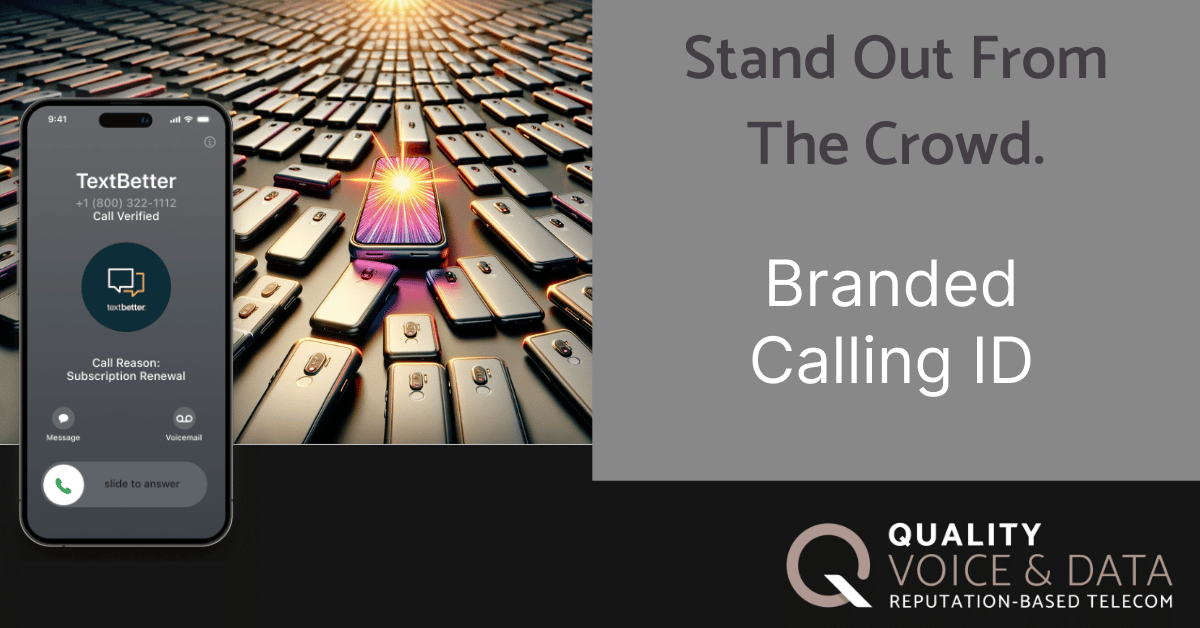
Pairing a local number with a display name adds a layer of trust to the outgoing Caller ID information. When the agent introduces themselves and the company name matches what's already on the display, it removes the initial "who are you" and "why are you calling" hurdles before the conversation even starts.
How name display actually works
The Caller ID number is pushed from your dialer or phone system. As the call reaches the called party, their carrier looks up that number in the national CNAM database and sends the associated display name along with the number to the called party's Caller ID display.
To update and store a display name in the national CNAM database, you need a partner like Quality Voice & Data — we maintain a large inventory of local telephone numbers along with the ability to store and update display names against them. Adding this one step can increase answer rates by an additional 12% on top of the lift from switching to a local number in the first place.
Quality Voice & Data provides Local Caller ID numbers to hundreds of organizations across the U.S., from small sales teams to large telemarketing operations, and checks customer Caller ID numbers against the FCC blacklist as part of the service.