How to Choose the Right Local Caller ID Strategy for Your List
Using a local phone number for outbound Caller ID does increase answer rates — one major telecom carrier recently told us a vendor's sales per hour (SPH) jumped 30% after switching to a local Caller ID strategy with QVD numbers, driven almost entirely by more customers answering the phone.
A quick refresher: Sales per Hour (SPH) equals Contacts per Hour (CPH) times Sales Conversion Rate. CPH typically improves through more dials per hour (with diminishing returns past a point) or a higher answer rate from dialing at better times and using Local Caller ID. If conversion rate holds steady, any increase in contacts per hour lifts SPH proportionately. Results vary by vertical — a lead-callback program calling people who expect the call sees less incremental lift than a pure outbound campaign.
Matching strategy to list size
- Under 25,000 records: one phone number per state you're calling into is usually enough — at most 50 numbers.
- 25,001 to 100,000 records: identify the area codes with the highest concentration of leads and match a local number to the top 50%; use a state-specific number for the rest rather than matching every area code.
- Over 100,000 records: buying a local area code number for about 80% of the list tends to generate a strong answer-rate lift at a reasonable cost; use a state-specific area code for the remaining 20%.
Run a report of your records by area code, sort by volume, and it becomes easy to see which and how many unique area codes deserve their own number — most outbound telemarketing operations find that around 150 local numbers covers their market well, with adjacent-area-code matching for anything outside those.
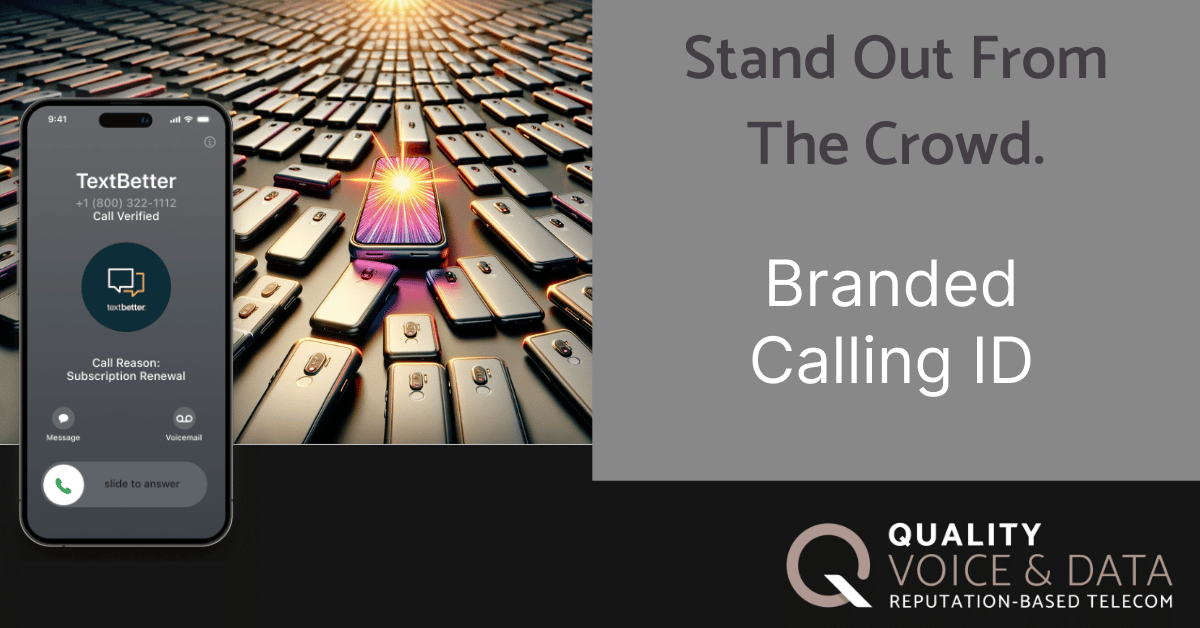
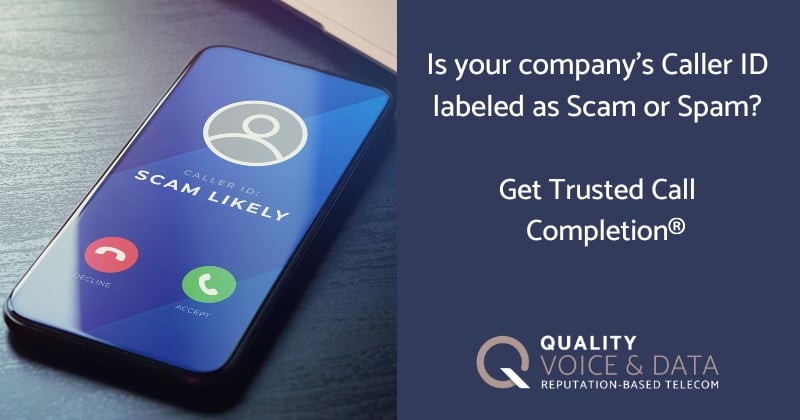
Two more things worth remembering: CNAM name display adds "5 seconds of trust" on top of the local-number lift, since a name that matches who you say you are removes the "who are you" hurdle before "what do you want" — and it's worth sourcing Local Caller ID numbers from a provider that checks number quality before assignment, so your calls don't get caught by labeling and blocking apps.