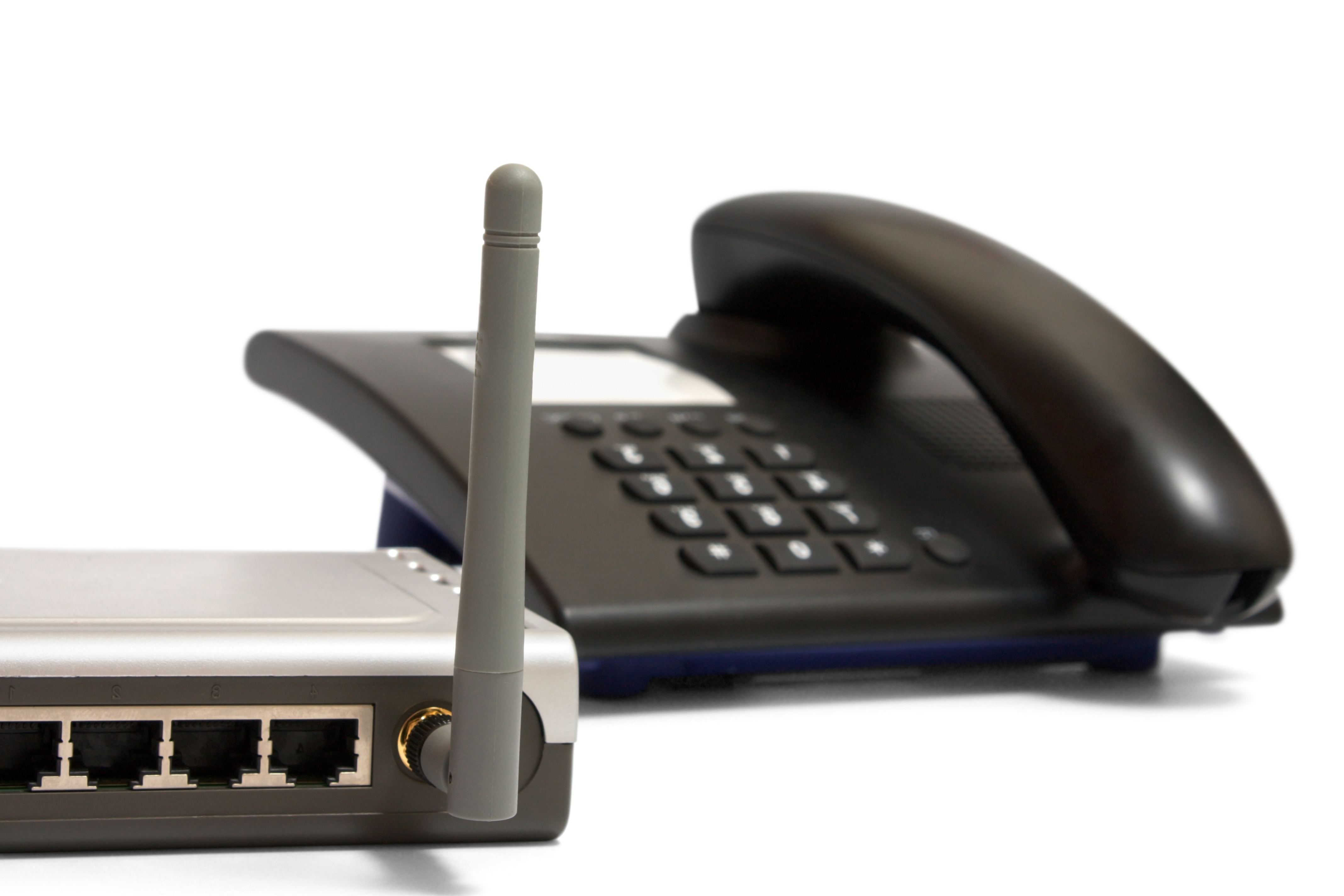
Caller ID Management for Dummies: A Beginner's Roadmap

Caller ID management doesn't have to be difficult — it comes down to knowing what you don't know, having a good strategy, and executing on it. Here's a simple roadmap through the main topics worth understanding.
What is Caller ID and how does it work?
The basics are simple: you call someone, their phone rings, and they see your name and number. The nuance is in how call centers use it for outbound calls at scale — using multiple numbers appropriately across geographies and choosing the right CNAM names to display. If terms like "CNAM" aren't familiar yet, a glossary of Caller ID terminology is worth bookmarking before going further.
Local Caller ID strategy
Using a local Caller ID number can increase answer rates by up to 30% — an 800 number rarely gets answered, while a local number does far more often. Once you're bought into using local numbers, the next question is strategy: what to do with a list of 25,000, 50,000, or well over 100,000 records calls for different approaches depending on list size.
CNAM
A local Caller ID number performs best paired with the right Caller ID Name Display. Using no name, or the wrong name, will more likely hurt results than help them — and CNAM names must be accurate, not a generic stand-in like "Customer Service," per the Truth in Caller ID Act.
Inbound
If answer rates rise, it's logical that more people will also miss a call and call the number back — and in sales, every viable lead matters. A crucial part of Caller ID management is routing those inbound calls, to any of your Caller ID numbers, directly to your ACD, with the ability to pass either the ANI or the dialed number to the agent so calls route to the right specialist.
Do's and don'ts
Beyond the basics, a good Caller ID best-practices guide is worth reading closely for the smaller details that matter even to seasoned call center professionals. The most important best practice of all: source Local Caller ID numbers from a provider with a dedicated, responsive team that assigns clean numbers quickly and pairs them correctly with a display name.