4 Reasons to Use a Premium DID Number Provider, Not a Cheap One

Not every DID number is created equal. Most outbound call centers and telemarketers rely on multiple numbers for their outbound Caller ID display, and a quick search for cheap DID numbers turns up plenty of sellers — but a low price often means you're getting exactly what you paid for.
What makes a DID number "premium"
- It's been rested for at least six months, preferably a full year.
- Its area code is generally recognizable to people in the region you're calling.
- It's stored in the National CNAM Database with a 15-character name the called party will recognize.
- It isn't associated with any number on the FTC's blacklist or in common spam-labeling databases.
Resting a number matters
Providers with a small inventory tend to reassign the same numbers to different customers in quick succession, which means a fresh customer often inherits a negative reputation from the previous one. Quality Voice & Data rests numbers for a minimum of one year before reassignment, and because we store every customer number in our Monitoring & Remediation database, each number we assign starts with a positive reputation rather than a merely neutral one.
Area code recognizability matters
A DID from an original, legacy area code (think 212 in New York or 312 in Chicago) is inherently more trusted than one from a newer overlay area code that customers don't recognize as local — and an unrecognized area code lowers the odds a call gets answered at all.
CNAM makes the difference once you're using a good number
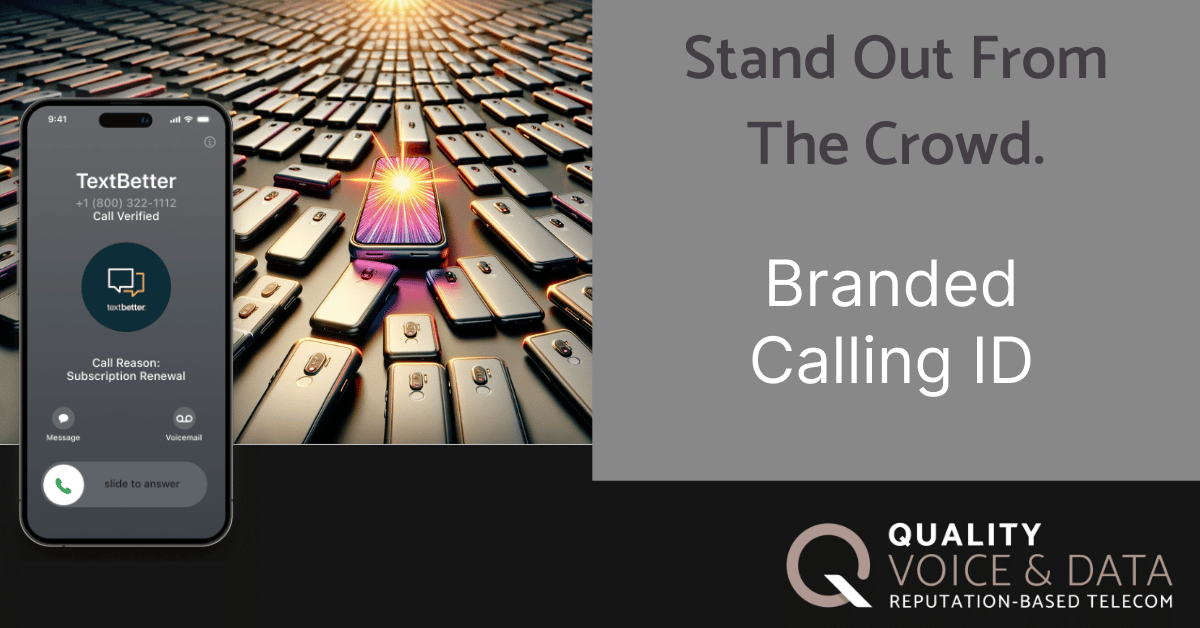
Fifteen characters is your only chance to introduce yourself, much like a name tag at a networking event — QVD stores every assigned DID in the National CNAM Database and can help you pick a name that maximizes answer rate.
Screening out bad numbers
Before a DID is assigned to a customer, QVD screens it against the FTC's blacklist and common spam-labeling databases; a number with a negative reputation simply doesn't get issued.
What it costs, and the ROI
At $2.00 per number per month, premium DIDs are a small line item against the labor cost of agents dialing numbers that don't get answered. For a 100,000-record list spread across roughly 175 DID numbers ($350/month), a jump from a 5% to an 8% contact rate can lower cost per contact from $3.60 to $2.25 — a return that dwarfs the monthly DID cost.